What matters more in public speaking: superior skills or superior judgment?
Superior skills matter, but superior judgment matters more. A skilled speaker can command a room, tell stories, maintain eye contact, and speak without notes. But a speaker with good judgment understands the audience, the occasion, and what people have actually come to hear.
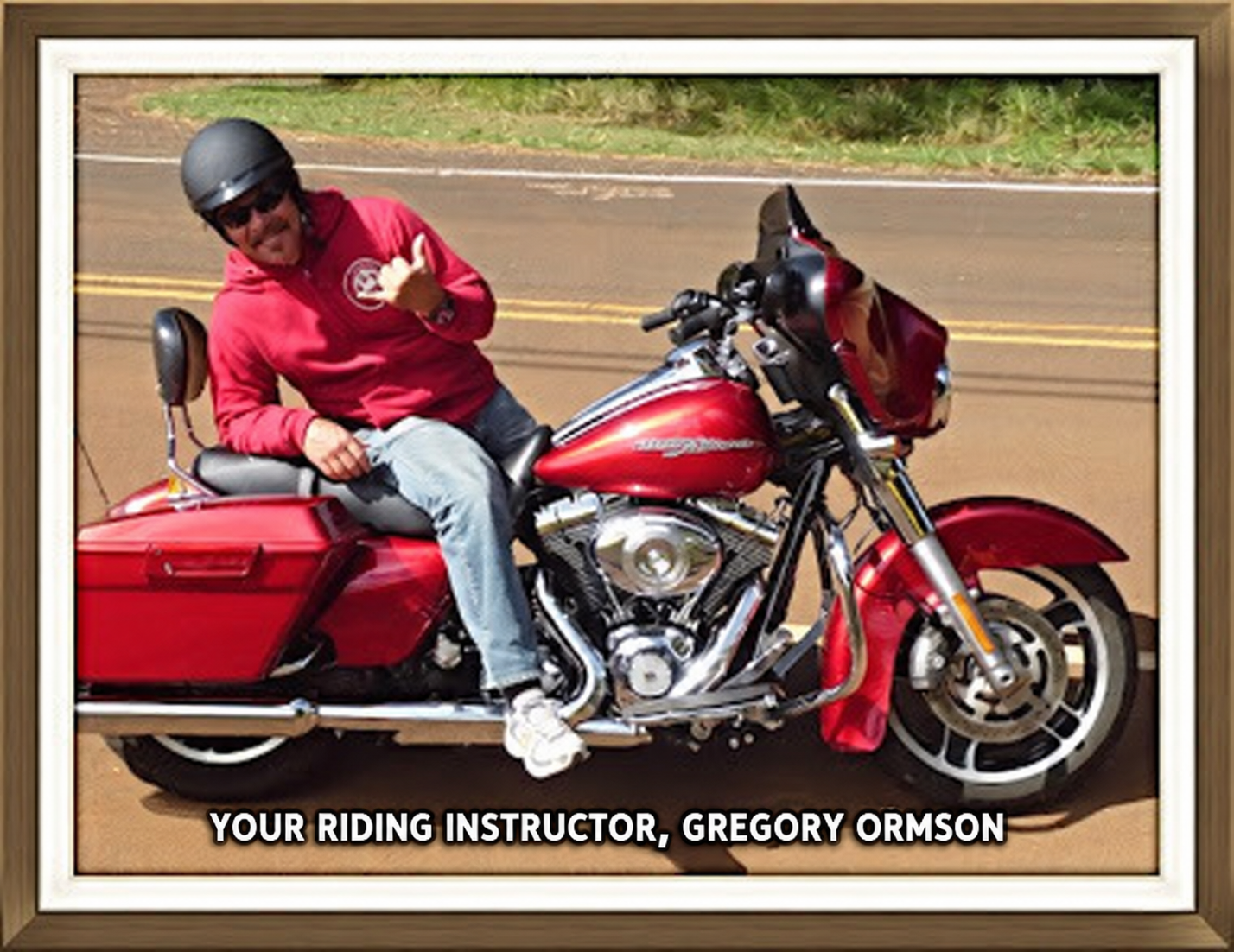
I learned this distinction while teaching motorcycle riding.
What Motorcycle Riding Taught Me About Judgment
When I lived in Hawaii, I taught motorcycle riding for the state at Hilo Community College. On the first night of class, when the students gathered, I asked them a question:
“Is it better to have superior skills or superior judgment?”
Many of the riders hoping to get licensed were young, and they answered quickly . . . the same way they wanted to drive.
“Superior skills,” they said.
It was a trick question, at least partly.
There is nothing wrong with developing superior skills. It’s good to have them whether we are cooking, teaching, running a business, or repairing anything. But on a motorcycle, superior judgment matters more.
Why Is Judgment More Important Than Skill?
A rider with good judgment scans well ahead, watching what is happening twelve seconds down the road. The rider with superior judgment keeps their head moving, watches the traffic in adjoining lanes, notices intersections, escape routes, potholes, changes in speed, and the unpredictable driver nearby.
Good judgment keeps asking: What might happen next?
That rider is less likely to get into a situation where superior riding skills are suddenly required.
Any rider who believes everything depends on skill can become overconfident. You’ve all seen them. They ride faster, their lane changes become sharper, and inside their minds, they begin to feel bigger risks are manageable because they believe, consciously or otherwise, that superior skill will provide a way out.
Sometimes it does.
But it’s better to avoid an emergency move in the first place.
What Does This Have to Do With Public Speaking?
I came to see that the same distinction applies to public speaking.
Some speakers possess obvious skills. They move easily around a room. They speak without notes. They maintain eye contact. They tell stories well. They exude a natural charisma and can make people laugh and quickly command attention.
Those are valuable skills.
But superior speaking skills can also tempt a person into believing the speech is about the speaker.
Good judgment asks different questions:
Who are these people?
Why have they come?
What do they need from me?
What have they been promised?
Can I actually give it to them?
What Is Good Judgment in Public Speaking?
Well before stepping in front of others, the hospitable speaker exercises good judgment by learning about the occasion, reading the audience, understanding the assignment, knowing one’s own capacities, and recognizing what the moment requires.
That is where hospitality enters public speaking.
The speaker’s first responsibility is not to demonstrate how accomplished they are. It is to understand the people who have gathered and why they are there.
A dazzling speech that misses what people came to hear has failed in a way that a simpler speech, properly judged, has not.
Skill matters, but judgment tells us what those skills are for.
What did you notice here? I welcome your thoughts.