The land is not confused,
This land is not confused;
its grammar is older than roads
and it delivers me and my iron horse to this sacred spot by way of a turning circle, long before I name it, a medicine wheel singing of asphalt and story. Each revolution brings new questions, like pebbles rolling under the tires or tumbling down the river beds; they rumble up through the wheels, through the frame, through my hands, and into my body. The questions lodge themselves there. Some I will not answer for decades.
My circle began in the upper north, where the pines sing with the west wind, and the Midwestern prairie holds the life of Sitting Bull. Getting to Sitting Bull’s final resting place, disputed by claims from both North and South Dakota since 1953, I crossed an open-gated steel bridge and looked down past my boots into a tributary feeding the Missouri River.
The road carried me onward toward Mobridge, South Dakota and Sitting Bull’s grave; it waits on a bluff above Lake Oahe, a slack water lake, one of many, fueled by the reservoir and dam from Pierre, nearly 200 miles away.
West of the Missouri River, the prairie land flattens into a wide, brown hush, and the bright sky opens until it feels like the lid has been taken off the world. The wind has a voice, like a whisper, and I could still hear Priscilla, the most famous bike in America, idling beneath me until I cut the ignition.
The wind is louder out there. I stepped forward lightly, toward the grave, and into an unseen but felt room of elders.
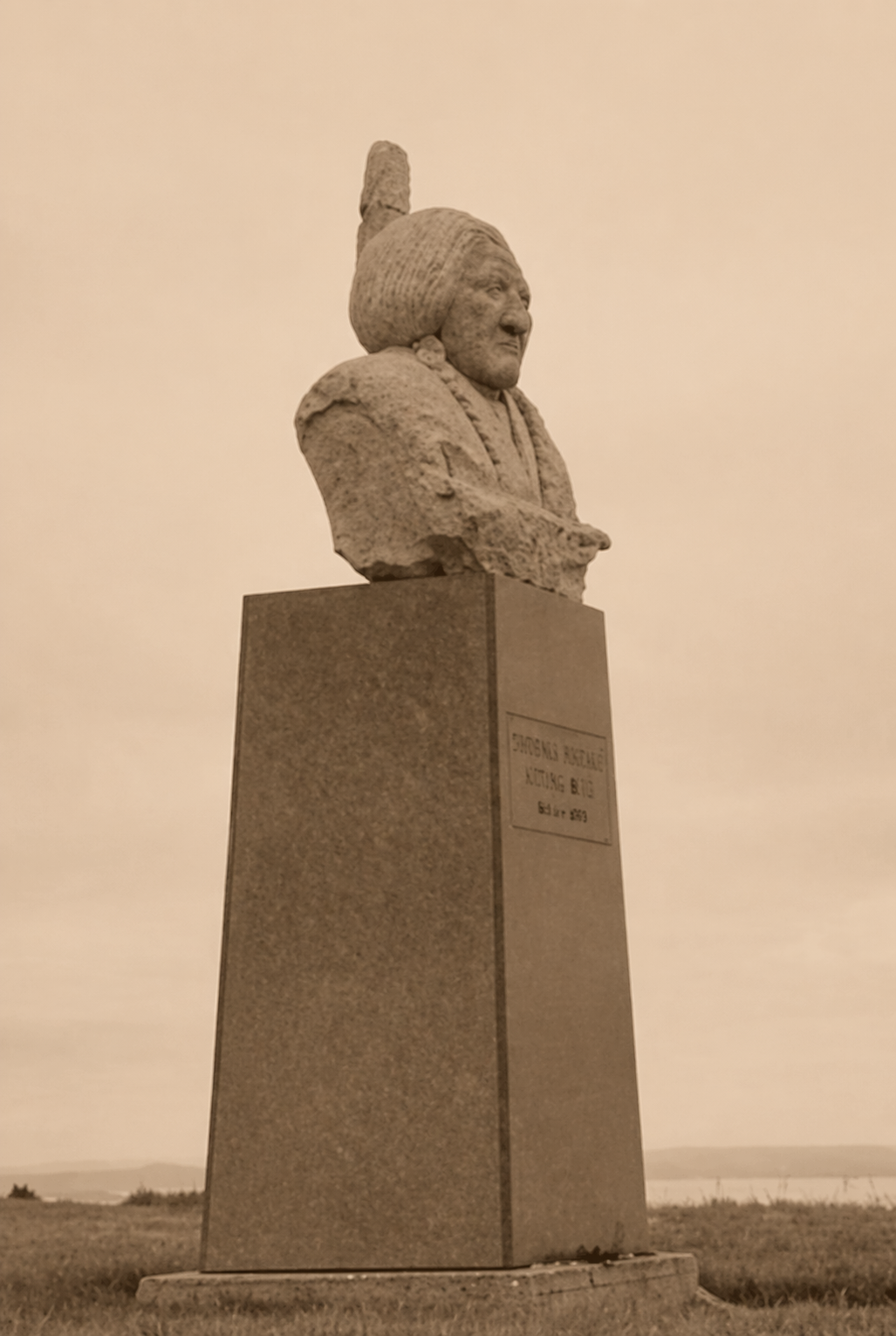
The monument is simple. Stone and cement. It holds its ground the way a place does when it has nothing to prove, like The Old-Style Place, a cabin in Northern Wisconsin.
For a moment, I was elsewhere, stepping down thirty-three wooden stairs to a Wisconsin lake where loons call. SEE BLOOD TRACKS, on the loon’s call.
Then the veil lifted and I was back on the bluff, walking uphill again toward the marker, toward the bones that history cannot place with certainty.
Sitting Bull is somewhere, this land is not confused about that. I’m not either, delivered there by
Grammar Older Than Roads
In the distance, wild horses lifted their heads, and their manes thrashed in the breeze. Hooves struck out a grammar that is older than roads. Nostrils flared. I was close enough.
Among the Lakota, the horse is not possession but relation. Bloodlines carry memory, and the Nakota horses seemed to remember something. They are descended from Sitting Bull’s herd, the blue and bay roans, blacks and grays, “spirit horses” that were scattered and nearly lost when the U.S. military forced surrender in 1881 and took his herd.
My steel horse cooled where I had put down the jiffy stand, my hot Harley-Davidson ticking itself back into stillness.
After a few steps, I stood before the statue of Sitting Bull, his face cast roughly, his gaze turned outward across the prairie. Watchful. Unbroken. A life held to the ground in vision and resistance.
No pageantry at this site. No shackles on horse, or land, or spirit. No costume or wild dance. Only the will of memory and story living in stone, in wind traveling the circle.
The wind moved again, and I listened. I heard tone, the kind reserved for one person at a time, and only that person. This place behaves like a cabin in the woods: wind speaks a name, grass holds a body, rivers and lakes carry it forward until it returns.
And I, a lightly tanned rider, come in on a loud machine marking its barbaric yawp, to stand among a few others and listen. I am carried by my bike but brought here by the remains of this living.
I came to see and left with a question I could not answer on the road. I will return to that place in the woods and listen again . . . through the pines . . . to the wind and a whinny signifying the answer.
Questions from the road
Who was Sitting Bull and why is his grave significant?
A Lakota leader and spiritual figure who resisted U.S. expansion. His grave marks a place where history, memory, and land continue to meet.
Where is Sitting Bull buried?
Near Mobridge, South Dakota, on a bluff above the Missouri River. The exact location of his remains has been disputed since 1953 when his bones may have been moved.
What does visiting his grave mean today?
It brings a person into contact with the land, the wind, and a history that remains present. The questions, like the circle, continue.
The Land Is Not Confused, A Grammar Older Than Roads captures the essence of a journey through memory and history, where the spirit of Sitting Bull resonates deeply. Motorcycle touring along the bluffs near Mobridge, South Dakota, offers a visceral connection to the land.
My goal is to intertwine the experience of visiting his grave by motorcycle with a lyric narrative reflection about this leader who stood firm against oppression.
His grave, a sacred site, serves as a reminder of resilience and the ongoing dialogue between the struggles and resistance of the past and present. As the wind whispers through the grass, it carries stories that bind generations, affirming that history is complex, and memory faulty, but the land remains steadfast in its truth force.
The Northwoods Stories Continue
What did you notice here? I welcome your thoughts.