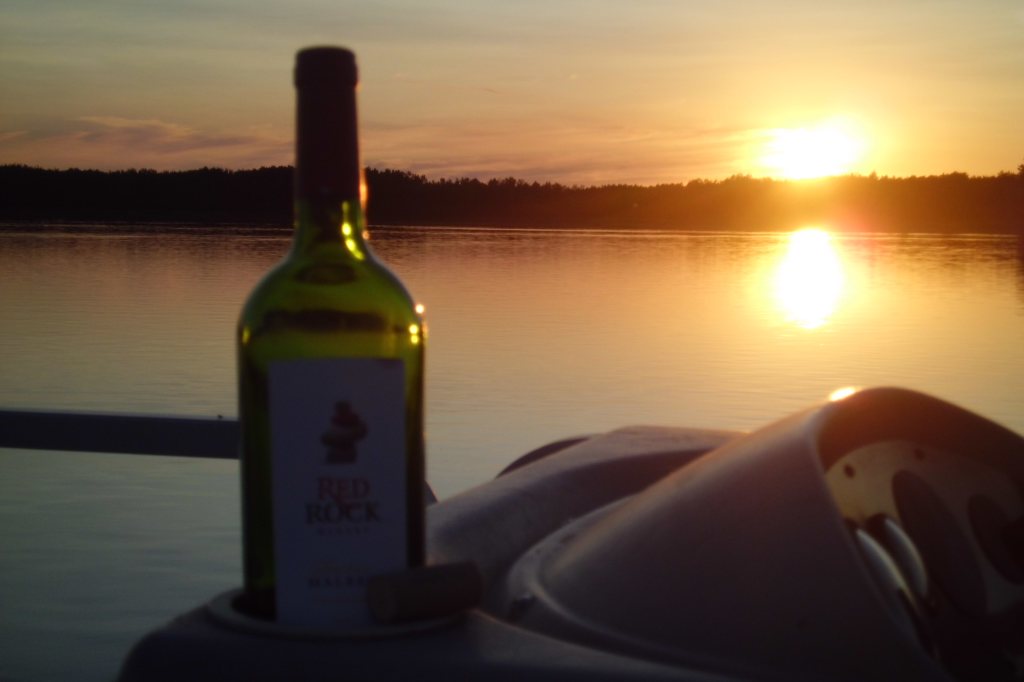
My arm was sore, but over and over I pulled the rope. The Evinrude sputtered and coughed. After a few minutes, it kicked into idle and spewed out blue clouds of exhaust near the water. The old boat motor had an ornery sound, like the voice of someone when their car doesn’t start in winter.
Finally, I rested and caught my breath while the engine warmed. Slowly cutting back on the motor’s choke, hoping it wouldn’t stall, I reached down next to the motor and near the water to pull a small lever forward.
Slowly, the old engine spun the propeller, and I loped away, motoring around the 3.2 miles of shoreline on Big Casey Lake. In old boats like this, one has to turn the rubber handle clockwise with the left hand on the steering lever to get the boat going forward. It’s an odd motion but it puts me near the lily pads on Casey Lake’s south shore, not far from the Bald Eagles’ nesting in a tall jack pine. I cut the engine for a moment and hear the eaglets screeching for food.
This old motor is mounted on a beat-up board in the back of a metal boat. It’s not convenient or pretty, but I take it out to engage with the concrete and physical, to balance my academic life of teaching, grading, writing and going to meetings with something concrete, smelly, hard.
That’s why a manual-start motor is the perfect remedy. It works by the work of arm and hand, shoulder, elbow and wrist. Starting that blue beast of a motor and putting on the lake takes me back to a time when life had more physical work and less mental clutter.
I go to the Old Style Place – a family cabin in the north woods – for less mind clutter. In the cabin’s main room, there are three chairs, one kitchen table, one small metal stand for a toaster, one wooden seating bench, a few magazines and a radio — radio with a cassette player — and a small box near the wood stove filled with kindling.
Appliances include the small Dixie stove, a Gibson refrigerator from 1952, and a sink with no running water. The Dixie is also old, circa 1950. There are two small bedrooms and one deck.
One sofa is on the deck along with a small wooden table and two chairs. These elements scream of self-sufficiency, and I hear the remnants of hard work that carved out a middle-class existence in parental talk: “Why should we buy a new chair or table if the old one works just fine?”
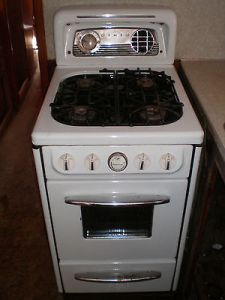
Dixon Stove
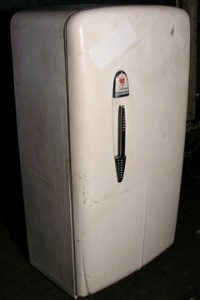
Gibson Refrigerator
Their answer in a question was born of a classical conservatism that truly was fiscally conservative in deed not just talk. It didn’t matter if the furniture was as hard as the rocks on the beach, it didn’t matter if the beds were uncomfortable, it didn’t matter that a bath meant a dip in the cold lake. For a shower, forget it; running water at the cabin forget it.
“We’re lucky to have the cabin,” they said, and when I was younger I guessed it was true. But now sleep calls me. I know the beds are worn out; either too soft or too hard, and I think Goldilocks would have rejected all of them.
Before turning out the lights, I glance at a small, funny, poorly cushioned green parlor chair in the cabin’s boxy main room. The chair, parked in a corner under the Old Style Place.
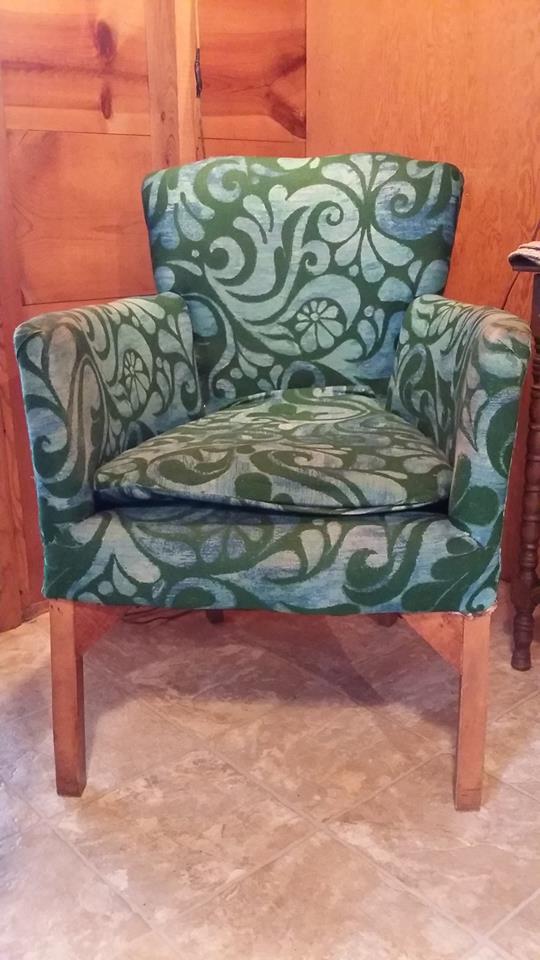
We called it “the tick chair,” because nearly every time someone sat there they immediately felt a wood tick crawling on their leg, arm or neck. We always watched that chair, and if a visiting city-girl sat in it, we’d eagerly await her screams.
 GREGORY ORMSON'S Notes, Articles, Blogs, Vlogs Gregory Ormson writes from the ecotone, the vibrant intersections of landscape, spirituality, and physical presence. His essays and poems have appeared in literary journals, anthologies, and print magazines. Author of *Yoga Song* and other works, Ormson blends lyrical observation with grounded reflection drawn from his Midwestern roots and global travels. He lives in Arizona and Wisconsin, seeking stillness where stories emerge like bears.
Leave a comment